

Are You Resting Enough?

Updated: 9 hours ago
Rest is a basic human need that many of us have become accustomed to depriving ourselves of. We can find ourselves harbouring feelings of guilt when we rest without a specific reason, or we haven’t ‘earned it’. Rest shouldn’t be earned. Rest is necessary for optimal functioning. The repair and healing that happens when we rest means we become more resilient, not only through the everyday stressors, but through the big life crises that can occur when we least expect it. Sleeping is a way to rest, but there are other ‘active’ ways too.
Old ways of thinking have set us up for burnout and this is contributing to many mental and physical health issues. Tired bodies eventually start saying, “no, enough is enough”, consequently forcing us to rest with illness, disease or injury. The online world and hustle culture doesn’t help the situation, and added pressure seems to be on younger people to keep up with a fast-paced world of technology and disconnection from nature and the true self. When we are disconnected, we are not growing and evolving as the human being we were born to be. Technology has a way of pulling us into an abyss which is both addictive and destructive to our inner peace.

When we don’t rest enough and we keep on going day after day, the immune system is compromised. The adrenal glands work extra hard to keep up with the demands of an overtired body and overwhelm can cause brain fog, mood swings, hormonal imbalances and fatigue. We are also more at risk of physical injuries like repetitive strain, or accidents like trips and falls as our cognition is impaired. Not getting adequate rest has many other consequences and sets us up for nervous system dysregulation and disharmony throughout the many layers of our whole selves. Think of animals in nature and how frequently they rest and instinctively know when to rest. We are not biologically designed to be so busy. We have been conditioned over generations and created a culture of constantly doing. When in fact, we should spend more time being. Like the human beings we are.
Rest is how we regain harmony and balance. It is how we thrive and feel fully alive. It is how we reconnect to our deeper selves and gain clarity, perspective and wisdom. It is where we imagine and create, where we wonder and reflect, where we get the opportunity to breathe slowly and fully and where our body gets to surrender and soften. When we are constantly distracted and disconnected from our bodies, we don’t get the opportunity to recognise and feel our true feelings. Therefore, we hold on to unprocessed emotions, thoughts and feelings. We hold tensions that become part of the invisible weights we carry around.
Rest is an act of rebellion in a culture that has taught us to keep busy all the time.
Why do we automatically think of sleep when we talk about rest? Even Google takes you to pages related to sleep deprivation when you search ‘lack of rest’. At what point did we lose the ability to rest whilst awake? And do we only do this when we are on official ‘leave’ or holiday time, or away from routine. Why can’t it be a part of our daily routine? Let it be an extra dose of self-care and an essential practice for wellbeing.
Of course, we also need quality sleep for holistic healing and repair. Sleep disturbances and other sleep related issues are often caused by not winding down properly and falling asleep with a busy mind and tension in the body. Actively resting and intentionally preparing the body for sleep before bedtime will encourage the process of letting go of the day, whilst encouraging the release of melatonin (the sleep hormone). If we rest more often during our waking hours, we will no doubt sleep better as the body gets used to letting go, switching off and relaxing.

What happens when we rest consciously?
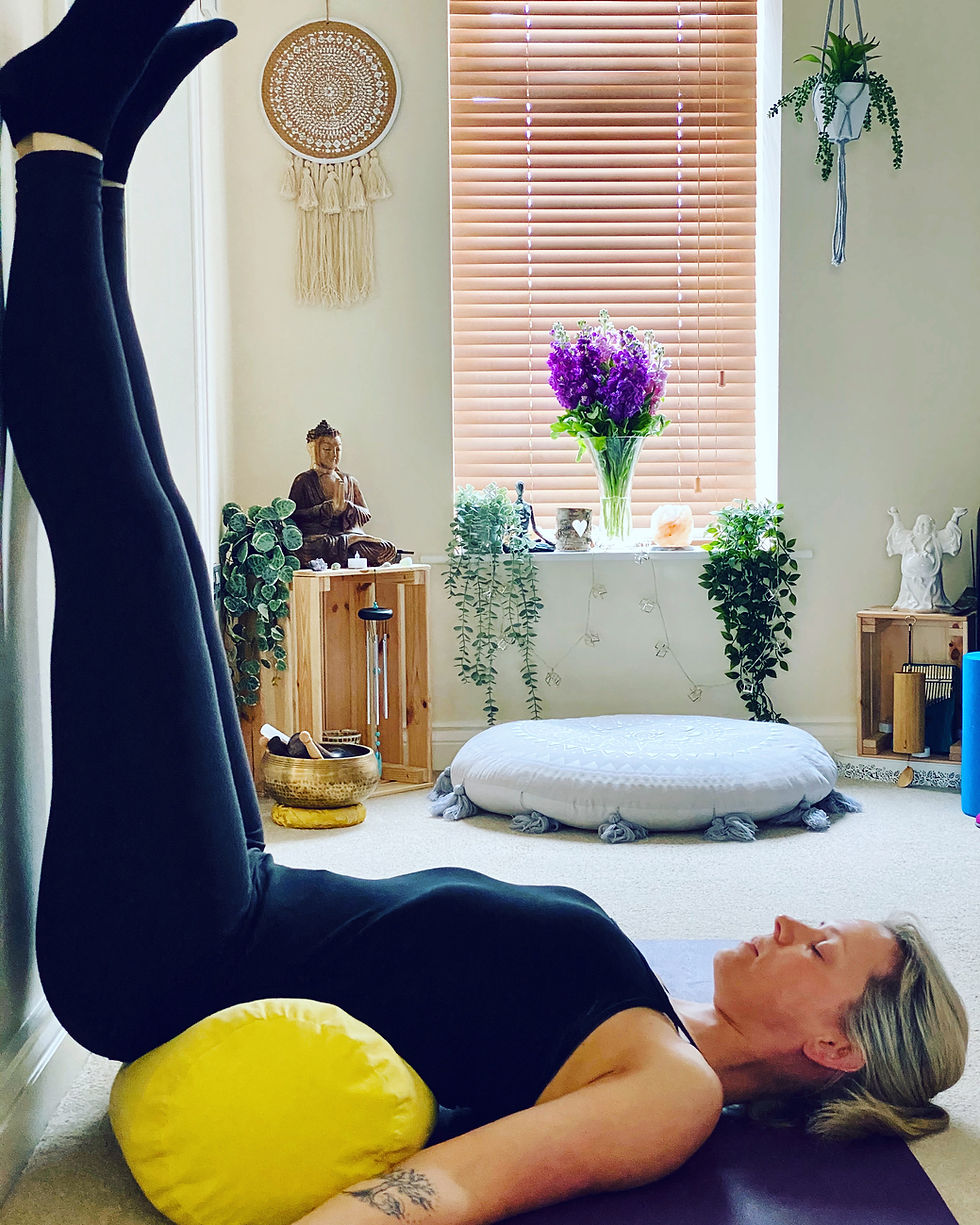
Consciously resting means resting whilst being awake and connected to our state of being; not scrolling or watching TV, or even reading, but resting with mindful awareness of our physical body, thoughts, emotions and feelings, and surrounding environment. This is similar to the practice of mindfulness, but to be more intentional we can use the term ‘resting in awareness’. When we rest in awareness, we get an opportunity to be at one with ourselves, to ‘check-in’ and acknowledge our needs, and to contemplate life without distractions. This can bring a sense of clarity and calm during times of overwhelm and also gives us the opportunity to breathe fully. When we are busy, distracted or stressed, we don’t breathe fully. We are often tense and shallow breathe. When we are aware and connected to our body, we can breathe slowly and deeply, and with this the body starts to soften. Tension dissolves and the mind becomes less scattered and more focused. It takes only a couple of minutes to enter into a state of rest, depending on the individual. The more you do it, the quicker you will get there – like training a muscle. If you struggle, you could think of it like a PC going into sleep mode. It is still switched on with power but is temporarily out of action. We may fall asleep whilst consciously resting and that's OK.
A Practice
Breathing into Awareness
Inhale slowly and deeply, filling up your belly and chest. Exhale and release everything with an “aahh” sound.
Count ten full breaths. Long, deep inhales and slow, extended exhales.
Now become aware of your physical self. How does your whole body feel? Are there any little pockets of tension still holding on?
Drop your shoulders away from your ears, soften your jaw and let your gaze turn inwards as you gently close your eyes.
Imagine your bones softening and your joints breathing. Direct your inhales into any areas of tension and feel into the practice of letting go and releasing.
If thoughts come in, receive them with love, observe them, then let them pass on by with no attachments or judgements. Always returning to the awareness of the relaxed, breathing body.
When you are ready to end your practice, simply take a deep breath in, sigh on the exhale and thank yourself for taking this time out.
Becoming fully aware of your breath, body, thoughts and areas of tension puts you in better control of your wellbeing. Practice this awareness whenever you feel overwhelmed, stressed, tense or in need of clarity.
Excerpt from the book 'Coming Home, A Journey of Healing and Awakening Through Poetry and Meditation' by Rebecca Griffin
At Anglesey Wellbeing, our classes, retreats and individual treatments have a lot of emphasis on rest. Sometimes we call this Sacred Rest, Active Rest or Resting in Awareness. We encourage moments of stillness, mindfulness, self-observation and connection with nature and truly believe this changes people’s lives for the better. We have witnessed this on many occasions and supported those that are new to this lifestyle. We hold space for you to discover things for yourself at your own individual pace.
Important note:
For some people, actively resting and becoming more aware of thoughts and feelings may not be a positive or pleasant experience. Consider seeking professional help or advice if this has a negative effect on you or you struggle to relax.
Written by a human. Our posts are never created using AI.


Comments