
Exploring The Benefits Of Lymphatic Drainage Massage
- Rebecca Griffin

- May 27
- 6 min read
Updated: May 28
Although it is not a new treatment, Lymphatic Drainage Massage, or Manual Lymphatic Drainage (MLD), has gained popularity more recently due to social media and celebrity trends, but what exactly is it and how does it work? To understand the treatment, first it is useful to understand what the lymphatic system is and how it works.
The lymphatic system, which is part of the circulatory system and the immune system, relies on movement for optimal functioning. Unlike blood circulation, this system doesn’t have a pump (like the heart) to continuously pump lymph fluid through its vessels. The lymphatic system is where white blood cells (lymphocytes) are produced which are an integral part of the immune system. When this system is not functioning optimally, toxins will inevitably build up in the body. Swelling can then occur (oedema/water retention) which can affect energy levels and mobility, as well as increase the risk of infections if it becomes chronic. This also has a negative effect on other systems of the body, such as the circulatory and musculoskeletal systems.
Lymphatic fluid carries destroyed bacteria and cellular waste/toxins into the bloodstream to be excreted via the liver or kidneys. It is made up of 95% water.
Lymph nodes are located at various points around the body, with over three hundred of these being in the head and neck. They store and activate lymphocytes and act as a filtration system for waste and invaders (germs). The nodes are both superficial and deep in the body.
The superficial lymphatic vessels are located in the skin's subcutaneous tissue and these are what we mainly target when performing a lymphatic drainage massage.
The lymphatic system also helps your body to absorb fats and fat soluble vitamins. The fats are transported through the lymphatic vessels within the fluid and deposited in adipose tissue (body fat).
Signs & Symptoms of Fluid Retention
You may notice swelling and puffiness in certain areas of the body when you have been sedentary for a long period of time. For example, if you've been sat down all day, your ankles, legs and feet may feel heavier and swollen. Fluid can also build up in your face after sleeping. This is perfectly normal as gravity causes the fluid to pool. When you stand up, it will begin to drain and reduce down. You can encourage this with self-massage techniques and tools such as a dry brush or gua sha. When fluid builds up, there can also be a reddening and tightness of the skin. Fluid retention can also occur during hot or humid weather. This is because the blood vessels widen in an attempt to cool the body down and fluid leaks into the surrounding tissues.
Lymphoedema is a chronic condition where there is abnormal swelling, and this requires medical attention. The normal functioning of the lymphatic system is compromised and this is more complex than occasional, mild oedema which can usually be relieved with self-care or a massage treatment. Lymphoedema can be caused by various things, such as the removal of lymph nodes or damage to the vessels or nodes from surgery or injury. There is also a condition called obesity induced lymphoedema (OIL) which a medical doctor can diagnose and suitable treatment will be advised. Patients with lymphoedema can benefit from lymphatic drainage massage as a complementary therapy.
The Role of Hormones
Women are more likely to have water retention
Progesterone and oestrogen levels affect the balance of water in the body. Women will notice changes throughout their monthly cycles and life stages such as pre and post menopause. Some days there could be more abdominal bloating and swelling in the legs. Other days it may feel less so.
Progesterone is a natural diuretic which means during the mid-luteal phase of a menstrual cycle, when it is at it's highest, a woman is less likely to have water retention, which has symptoms such as swelling, puffiness and abdominal bloat.
Oestrogen can cause the body to hold on to water. When oestrogen is high, it can affect aldosterone which is the hormone that tells the kidneys to retain more water and sodium. It can also cause water retention when it is too low. The joys of trying to 'balance hormones'!
At all stages of menopause, when hormone levels are fluctuating or low, the body's water balance can be affected.
Chronic stress can cause fluid retention due to prolonged high levels of cortisol. This hormone can cause the body to retain water and sodium, as well as cause inflammation which affects the circulation.
Although physical exercise is the main thing that promotes healthy lymph flow, there are also some restorative things you can do which can have an immediate, positive effect.

What is Lymphatic Drainage Massage?
A treatment with a professional therapist offers a gentle and effective way to support and encourage the flow of lymph fluid. It also comes with many other benefits, including stress relief, the release of feel-good hormones, improved sleep, lowered blood pressure, healthier skin and an overall sense of lightness and serenity.
Lymphatic Drainage Massage with Rebecca at Anglesey Wellbeing is a light pressured, soothing and rhythmic massage that encourages the movement of lymph fluid towards the lymph nodes at certain areas of the body.
This specialised massage treatment targets superficial lymph nodes and vessels, as well as the abdominal area. The abdomen can be a sensitive area for some, but the treatment is tailored to the individual and includes guided breathwork to stimulate the major lymphatic vessels and organs, such as the spleen.
The techniques include specific hand movements that help to encourage the natural flow of lymph and clear blockages. The techniques are slow and gentle to avoid compressing the superficial lymph vessels. Before 'draining', the lymph nodes are stimulated using special massage techniques and tools that act like a pump.
There are certain medical conditions that can be improved with this treatment, such as lymphoedema. The results for this particular condition are usually seen immediately after the treatment. For people with no associated medical conditions, this treatment will help to improve skin health, reduce any swelling from lymph build up, aid detoxification and boost immunity. It is also super relaxing! Most people fall asleep or feel very sleepy afterwards. Remember that complementary therapies work with your own body's natural healing system to accelerate healing and this continues on after the treatment session.
Who Can Benefit from Lymphatic Drainage Massage?
This massage treatment is suitable for most people, but it is especially helpful if you are:
Recovering from surgery or an injury
Living with a chronic condition like lymphoedema or fibromyalgia
Looking for a way to support your immune system naturally
Wanting to improve your skin health and reduce puffiness
Sit or stand for long periods of time
Experiencing stress, anxiety, fatigue or burnout
Having problems sleeping
Feeling sluggish with low energy
Pre or post long-haul flight
Maintaining a Healthy Lymphatic System
There are other things you can do to support your lymphatic system:
Stay Hydrated
Drink plenty of water throughout the day. The standard guideline is two litres per day, but everyone is different depending on their body and lifestyle. Filter your water to remove microplastics and toxic chemicals such as chlorine.
Reduce Toxins
Many household and cosmetic products contain synthetic chemicals which are toxic to the body. This means the lymphatic system has to work extra hard to filter them out. Choose gentle, more natural products that are ethically produced. There are many options available.
Healthy Habits
Regular exercise such as walking or yoga, stress management, a balanced diet with mineral rich foods, good sleep and avoiding tight clothing all support and encourage healthy lymph flow.
Maintain Regular Treatment Sessions and Continue at Home
Regular treatments can improve long-term lymphatic function and overall health. You can also do your own mini treatment at home with this Lymphatic Drainage & Detox Kit.
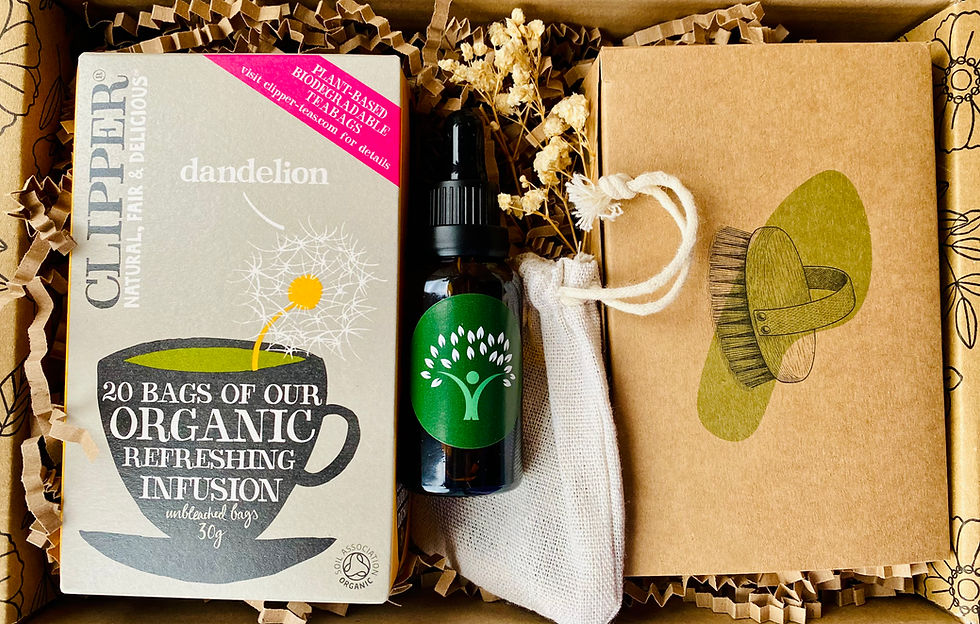
Other types of massage also help with lymphatic drainage but won't be as targeted. If you prefer a regular massage treatment where some lymphatic drainage techniques are included, you could book a Bespoke Holistic Massage which is tailored to your requirements on the day.
Treatment Suitability
It is important to get approval from your medical specialist before having lymphatic drainage massage if you have any medical conditions such as infections, blood clots or heart issues. For post-surgery treatments, check with your consultant/surgeon on the timescale for treatments to begin to avoid any interference with wound healing. If you are being treated for cancer, be sure to discuss the treatment suitability with your oncologist first. You could also consider an Oncology Massage treatment which is very similar.
A full consultation will ensure the treatment is tailored according to your individual body and personal needs. If you need to check suitability before booking, please email Rebecca at info@angleseywellbeing.co.uk
Conclusion
Lymphatic drainage massage is a gentle and effective treatment to support normal lymphatic system functioning. It also provides a complementary treatment for those with chronic conditions that prevent the normal functioning of the lymphatic system. It has other benefits that support the body’s nervous system and natural healing processes.
Rebecca Griffin is a fully qualified Complementary Therapist and Yoga Teacher with over 20 years of experience in natural healing and wellbeing. If you'd like to find out more, please email info@angleseywellbeing.co.uk
References:


Thanks for this, Rebecca - really informative!