

Improve Your Sleep in 5 Simple Steps

Updated: Sep 2
Sleep affects many aspects of our everyday lives. Without enough quality sleep, there's no doubt that our mood, focus and overall health suffers. Many people struggle to fall asleep or stay asleep, which leads to frustration, exhaustion and a vicious cycle that can make you feel stuck!
When your mind is busy and stress and anxiety take over, there's little hope for a good nights' sleep. With some basic lifestyle changes, new habits and perseverance, there's a good chance you will improve your sleep for the long-term.
To help you remember the steps, I have highlighted them as Commit, Create, Comfort, Consume and Consistency. Read on to find out how you can look forward to a more restful nights' sleep.
Commit to Change
When we commit to changing the habits that negatively impact our wellness, our lives improve in lots of ways. The key is to be intentional. Our physical body listens to what we tell it and intentions really do set the scene for positive change. Most of the time, we know intuitively that something is not right for us and it's time to let it go. May be it's the late night scrolling, sugary snacks or working to the point of exhaustion. A commitment to change is a way to swap those things out for new, healthy habits that will no doubt lead to better sleep.
What you eat and drink, and how active you are influence your sleep quality. Here are a few things to consider:
Avoid caffeine and nicotine at least 4 to 6 hours before bedtime; both are stimulants.
Limit alcohol intake; while it may help you fall asleep, it disrupts sleep cycles later in the night.
Eat lighter meals in the evenings; heavy or spicy foods can cause digestive discomfort. If you feel full when you go to bed, or you suffer from indigestion, sleep on your left side.
Regular physical activity promotes better sleep, but avoid vigorous exercise close to bedtime.
Herbs such as lavender, valerian and chamomile can induce relaxation and rest. These are available in different forms such as supplements, teas, oils and infusions.
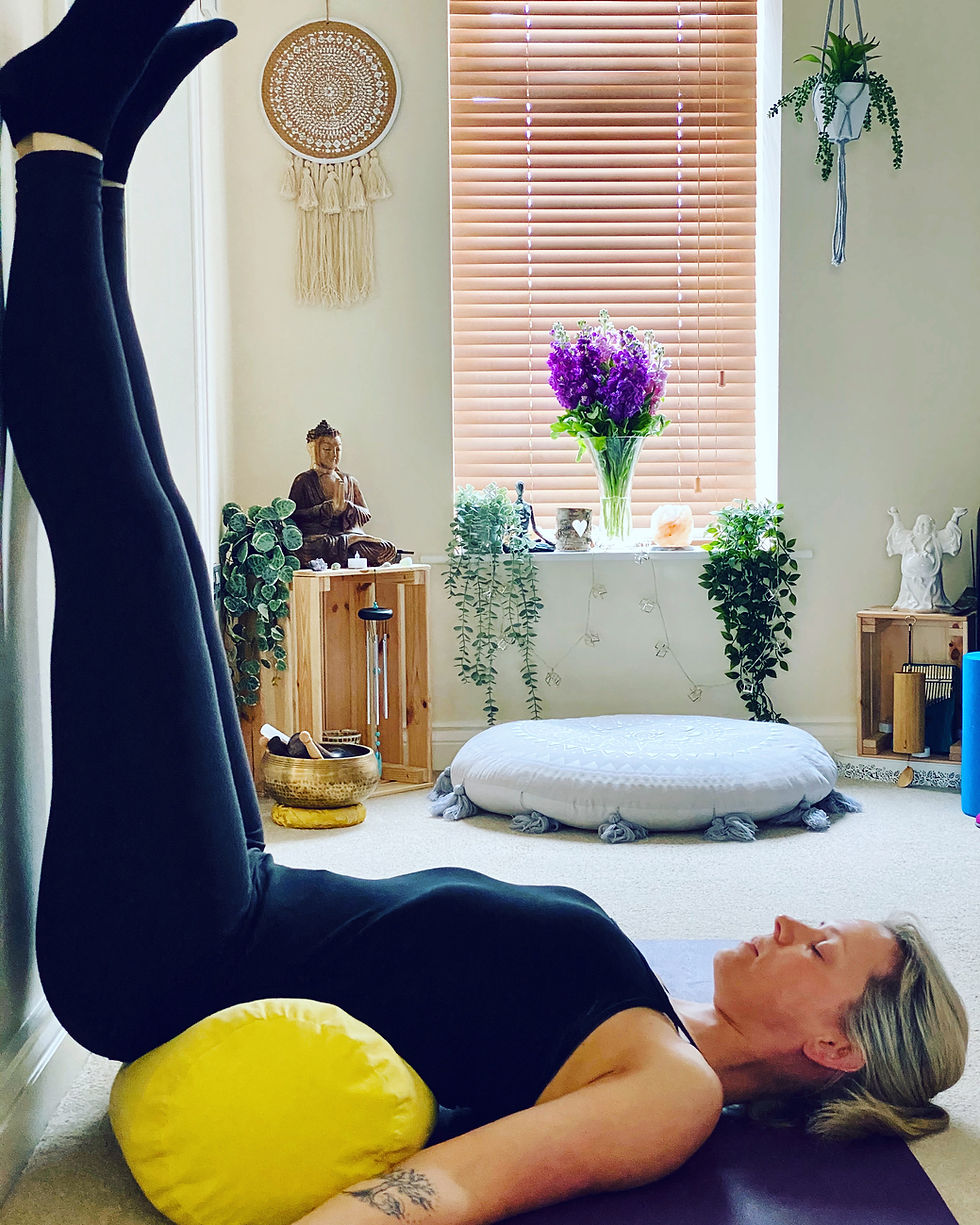
Yin or restorative yoga right before bedtime can help to clear your mind and reduce physical tension, whilst encouraging your nervous system to enter the parasympathetic state (rest and digest/repair).
Remember the phrase, 'self-discipline is self-care'.
Create Rituals and Routines
The human body thrives on routines, patterns, rhythms and cycles. Building habits that support your body's natural rhythms pays off in many ways. This is because we are part of nature, and all around us life is being sustained by the natural rhythms and flows of our planet and the universe. You only have to look at plants and animals in nature to recognise this. When we lean in to the rhythms of nature, not only do we sleep better, we also become happier, healthier versions of ourselves.
The Role of Hormones
Important to understand if you struggle to sleep
Cortisol, the alert/awake hormone, naturally begins to rise steadily in the early hours of the morning; typically at 3-4am. However, a sudden increase of cortisol can happen at this time if you are stressed, anxious, or have low blood sugar. This can make you feel so awake and alert that you want to get up and the temptation to put the light on or look at a screen can creep in. This will interfere with your circadian rhythm and set you up for disturbances night after night. Instead, keep the light off, use an eye pillow to block out the light and do a breathing exercise or other relaxation technique such as a body scan. For women at the stage of perimenopause, eat a small, light, healthy snack 30-60 minutes before bedtime to prevent the 3-4am cortisol spike. Due to hormonal changes, women can develop an increased sensitivity to stress which means cortisol will naturally be higher. This can lead to sleep issues.
Cortisol is often labelled as the bad guy when it come to hormones, but it is essential for us to function and thrive. It is actually an anti-inflammatory hormone and this is why synthetic versions are given as medicine. When cortisol is too high, it can be detrimental to our health, so the right balance is key. Lowering stress as much as possible promotes a healthy cortisol level.
Melatonin, the tired/sleep hormone, is released in the evening 1-2 hours before your usual bedtime. Our modern lifestyles can often interfere with this, and if we don't produce enough of it, we will struggle to fall asleep and/or stay asleep. To encourage the natural release of melatonin, dim the lights or switch to warm bulbs in the evenings, avoid screens 1-2 hours before your bedtime, opt for active relaxation, and set the intention to wind down and let go of the day. Eye pillows or masks help to block the light out if you sleep during the day due to shift work, or if there's artificial light that you can't avoid.
Going to bed and waking up at the same time every day helps to regulate your internal clock. This consistency makes you more likely to fall asleep easily and wake up feeling alert.
Best practices:
Choose a bedtime and wake up time that allows for 7 to 9 hours of sleep.
Stick to this schedule, even on weekends and holidays.
Avoid sleeping in late to "catch up" as it can disrupt your rhythm.
Don't go to bed too early as this will mean you'll wake up too early.
Upon waking, if it is light outside, look up at the sky and allow the natural, bare daylight to send signals through the eyes and into the brain. This will help your body to continue to release cortisol. This is known as the Cortisol Awakening Response (CAR). Natural daylight in the morning also helps to suppress melatonin. A morning walk is a great way to encourage a healthy circadian rhythm. A late afternoon walk helps to lower cortisol and regulate your nervous system; all in preparation for a relaxed evening and a good nights' sleep.
Think about the things that make you feel relaxed and give you peace of mind. Write down your own personal intentions and the rituals and routines that you'd like to incorporate into your mornings and evenings. Avoid things that involve a screen or productivity. If you struggle to fit these in due to being so busy, consider reprioritising things to put your self-care first.
Examples could be:
A gentle morning walk or sitting outside with your journal and a cup of tea.
Deep breathing exercises such as box breathing (inhale for 4 seconds, hold for 4 seconds, exhale for 4 seconds, hold for 4 seconds).
Gentle stretches and restorative yoga to release tension and free your mind.
Reading a light-hearted, uplifting book.
An aromatherapy and magnesium salt bath.
Self-massage with relaxing essential oils.
These are forms of active relaxation and can take some patience and practice if you are used to being very busy and on the go all the time. It may feel indulgent to let go of 'doing' and surrender into stillness, calming activities and mindfulness, but this really should be a priority for healing and sustained wellbeing, as well as for improving sleep.
Comfort Can't Be Compromised
Your bedroom should invite relaxation and rest. Small changes can make a big difference. Is it time to re-evaluate your sleep space?
Top tips:
Figure out the ideal temperature for you to feel fully relaxed. The science says keep your room cool, but some prefer warmth, and who can fall asleep with cold feet?
Choose colours that are calming such as neutrals and pastels.
Use blackout curtains if the morning daylight disrupts your sleep.
Reduce noise with earplugs or a white noise machine.
Invest in a comfortable mattress and pillows suited to your sleeping style.
Choose cotton/natural materials for your bedding and sleepwear.
Avoid using your bedroom for work. This helps your brain associate the space with sleep and not stress or productivity.

Be Careful What You Consume
Screens can interfere with melatonin production making it more difficult for you to fall asleep. Using screens close to bedtime can also reduce sleep quality. So, even if you fall asleep easily, you may not be getting exactly what your body needs during the night. You may also be sucked into toxic media content that is overstimulating.
Overstimulating the mind goes against the purpose of melatonin. It's time to be light-hearted with your conversations and come away from external influences such as your work, the news or social media.
This seems to be the main habit people with sleep issues struggle to break.
Here are some tips:
Avoid screens at least one hour before your bedtime and when you first wake up.
If you must use a screen, enable blue light filters or night mode and lower the brightness.
Replace screen time with calming activities like reading a book or listening to music.
Learn to get used to having less distractions, particularly from screens, and practice mindfulness - it doesn't come easy if you're new to it, but consistency and self-discipline are worth the effort.
Listen to audio CDs as an alternative to films (old school - yes!)
Consistency is Key
Being consistent with your routines and rituals is the most important thing, especially in the beginning when you are resetting your body clock (circadian rhythm). Once you start to respond positively to the changes and you are consistently sleeping well, you will be more likely to revert back to this as the default after you've temporarily been out of routine.
A consistent routine is the best way to reset your body clock. If you work shifts, regularly travel long-haul or care for others, of course this is going to be more challenging. You can only do what you can, and hopefully you will still take some things from this that will help you to improve your sleep.
Summary - 5 Steps to Better Sleep
Commit to swapping out unhealthy habits for habits that support a good nights' sleep.
Create your own rituals and routines that work for you, not only in the evenings.
Comfort is a top priority when it comes to a restful sleep. Invest in your sleep space.
Consume less serious, overstimulating things and more light-hearted, relaxing things.
Consistency is key. Keep going and in time you will notice the life-changing benefits.
Seek Professional Help When Needed
Those that do shift work, regular long-haul travel or have health issues that interfere with circadian rhythms may need additional, more specialised help. If you are concerned, consider speaking with a medical professional. Sleep is underrated and often bypassed in healthcare, and it is your human right to be able to sleep well. There are specialists out there that can help you. The NHS also offers a Sleep Service in various locations across the UK. Search online to find out more.
Holistic Therapies
We offer various relaxing treatments that can help to aid a more restful sleep. Rebecca Griffin is a highly experienced, trauma sensitive Holistic Therapist who focuses primarily on relaxation. A settled nervous system is more likely to welcome sleep. When your nervous system is stuck in a stressed or anxious state, this can seriously impact not only your sleep, but your overall health and wellbeing. Browse treatment options here.
Do you know someone who struggles to sleep? Why not share this post with them.
Rebecca Griffin is a fully qualified and registered Complementary Therapist and Yoga Teacher with over 20 years of experience in the study and practice of natural healing and wellbeing. If you'd like to find out more, please email info@angleseywellbeing.co.uk
References:


Comments